Introduction
Medical education is not limited to classroom learning. Practical clinical training plays an important role in developing skilled and confident healthcare professionals.
Why Practical Training Matters
Clinical training helps students understand real patient care, diagnosis methods, and treatment procedures. It bridges the gap between theoretical knowledge and real-world medical practice.
Learning Through Real Experience
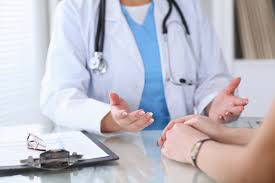
Students gain valuable experience by observing doctors, interacting with patients, and participating in healthcare activities. This practical exposure improves communication and decision-making skills.
Building Professional Confidence
Hands-on learning helps students become more confident in handling medical situations. It also improves their ability to work responsibly in healthcare environments.
Role of Experienced Faculty
Expert faculty members guide students during practical sessions and help them understand advanced medical concepts through real clinical examples.
Career Benefits of Clinical Exposure
Students with strong practical knowledge have better career opportunities in hospitals, clinics, wellness centers, and healthcare institutions.
Conclusion
Practical clinical training is essential for building successful healthcare professionals with strong medical and patient-care skills.
Call to Action
Join a professional medical program and gain practical clinical experience for a successful healthcare career.